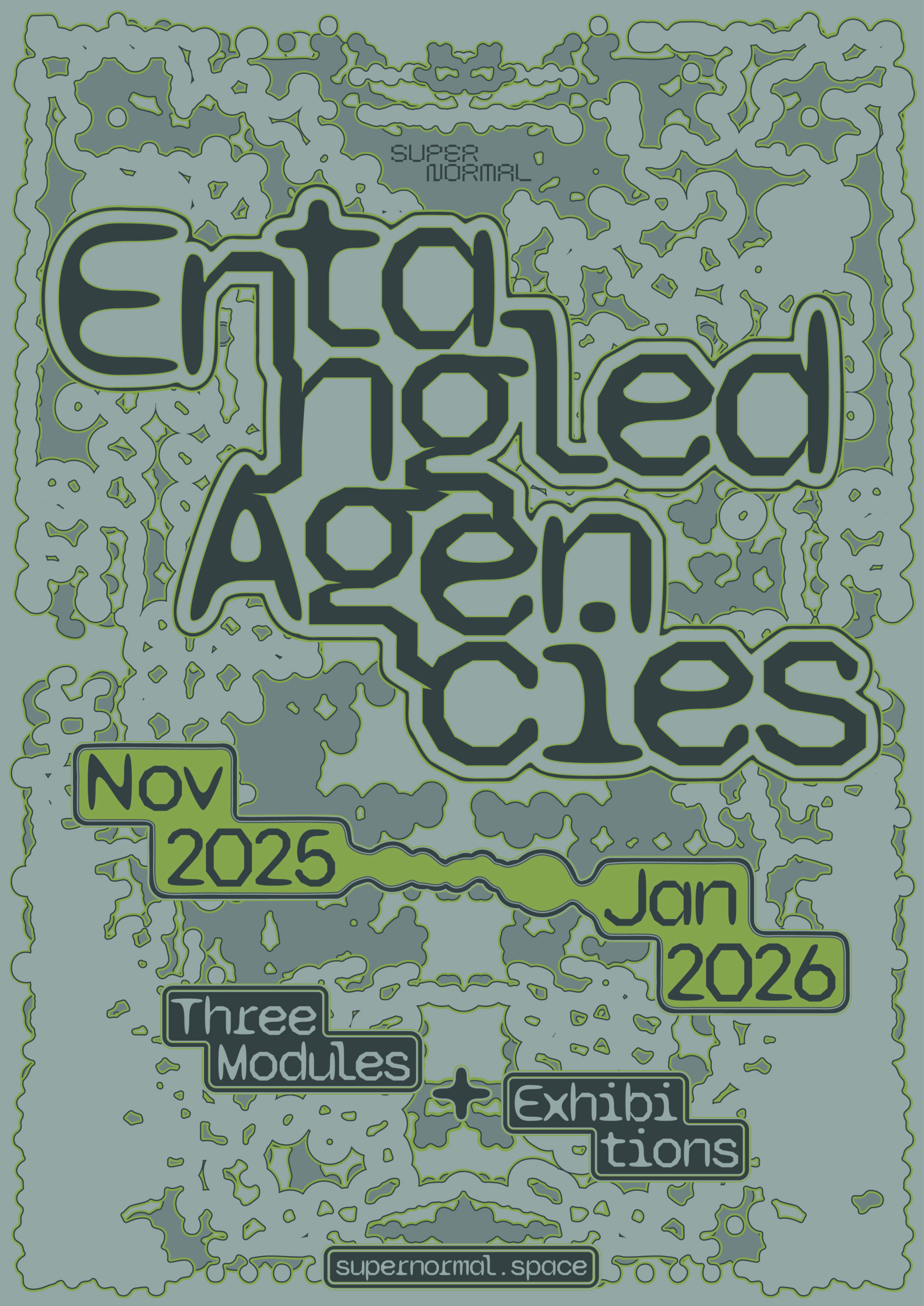
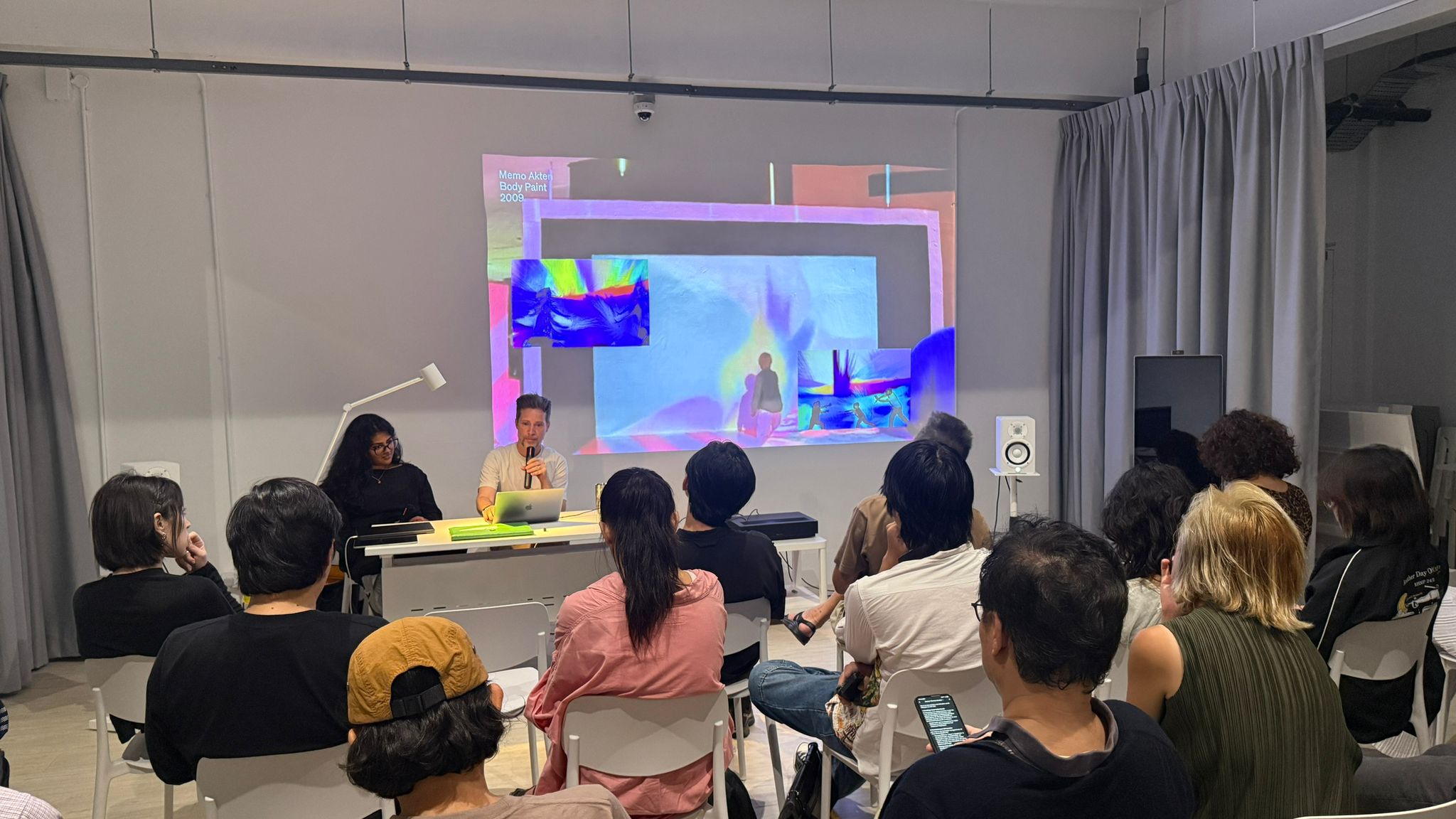
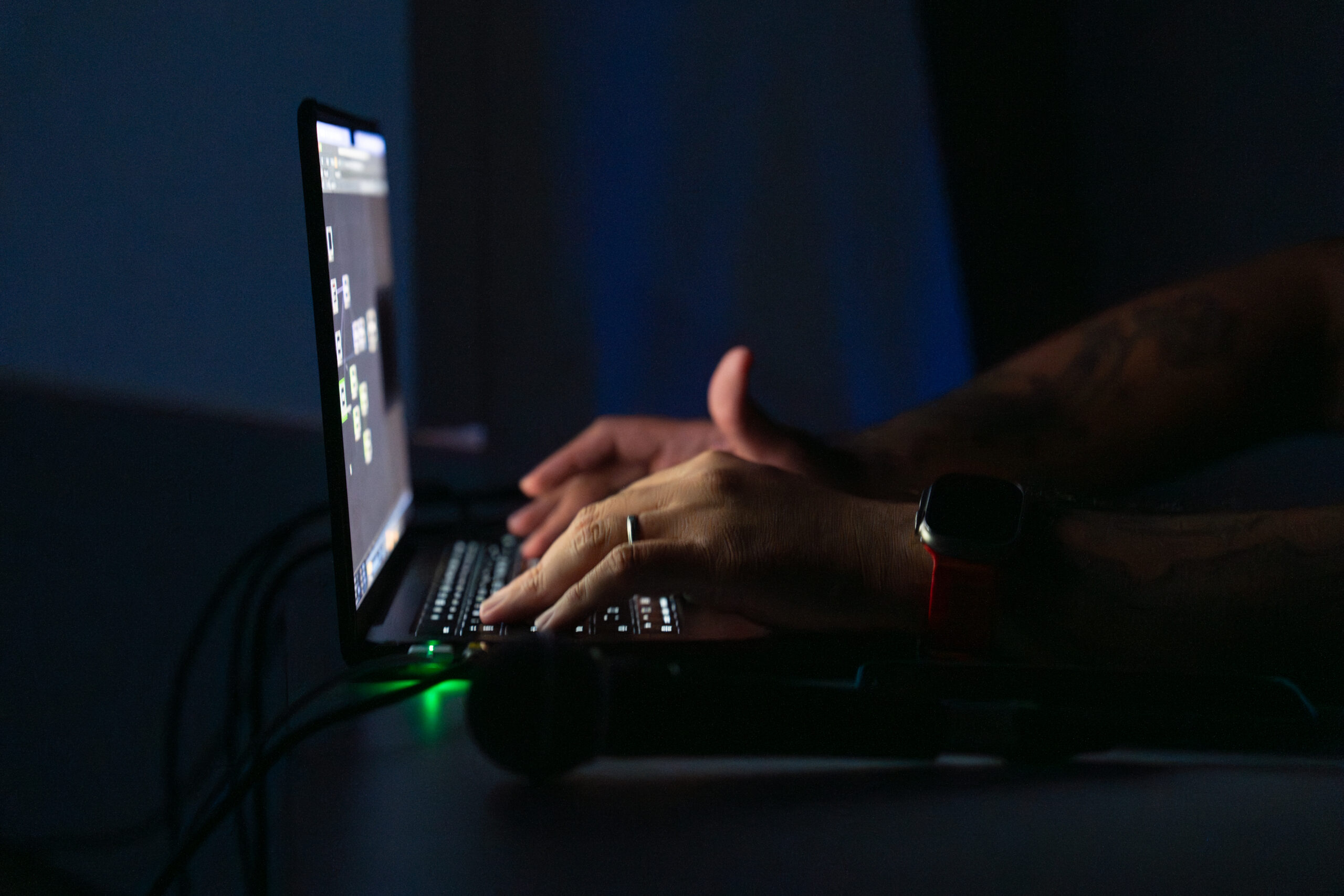
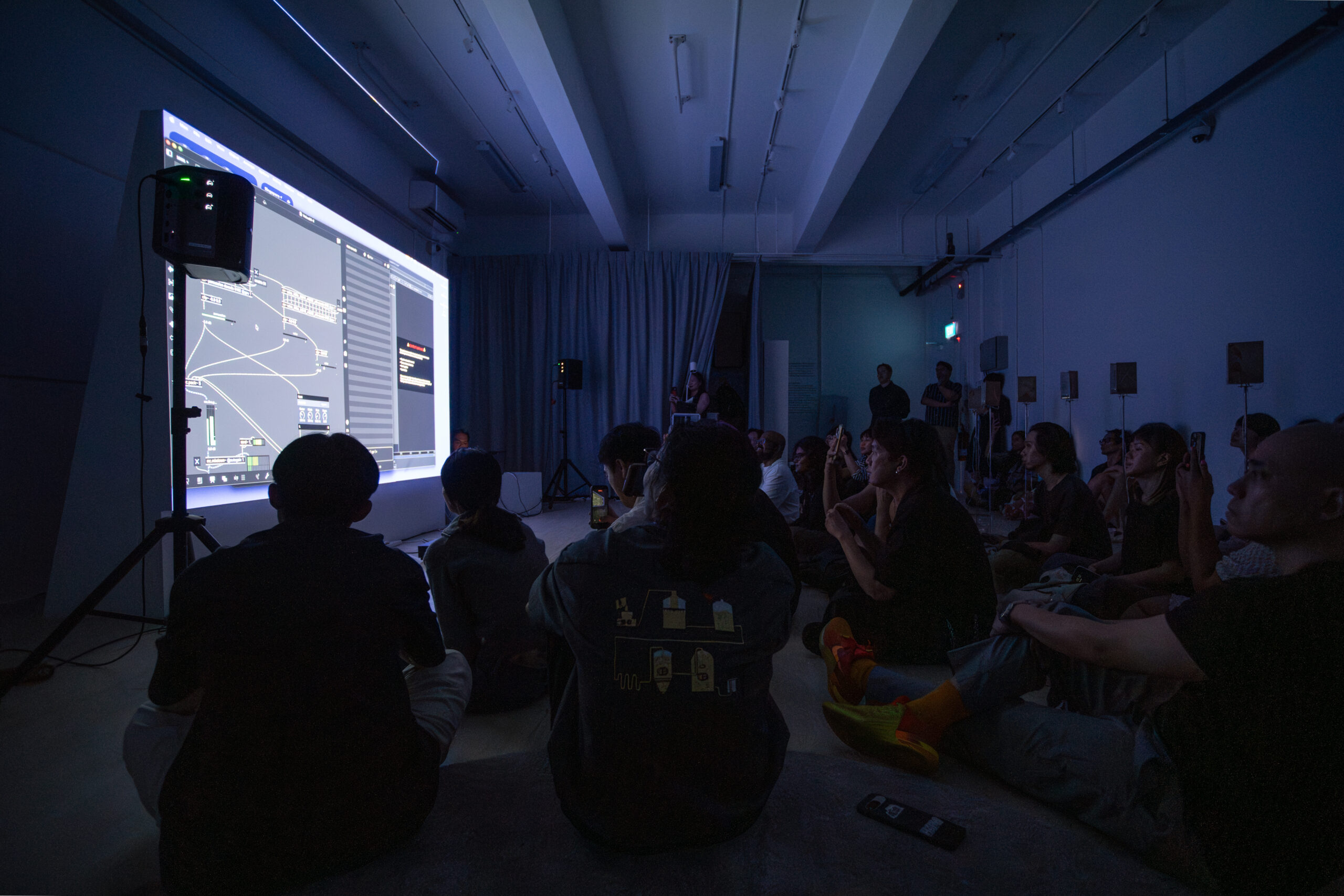
Entangled Agencies is an artist fellowship focused on AI and computational culture, bringing together Isabella Ong, Brandon Tay, and Andreas Schlegel. Each fellow has organised a public lecture and hands-on workshop exploring human-machine collaboration in contemporary art.
The fellowship culminated in an exhibition during Singapore Art Week 2026, presenting the fellows’ works alongside a small, curated selection of projects developed by programme participants.
Overview
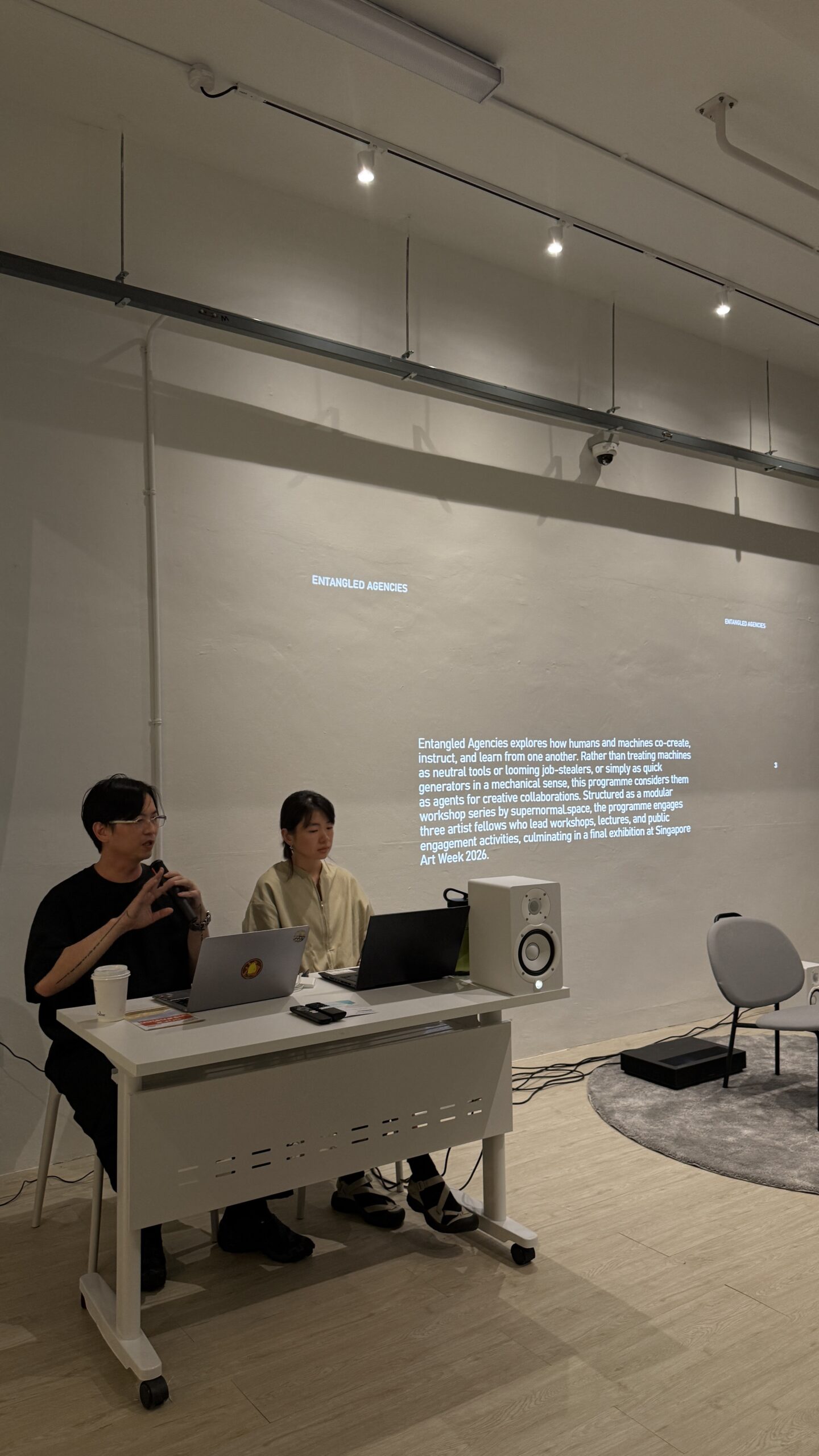
Entangled Agencies explores how humans and machines co-create, instruct, and learn from one another. Rather than treating machines as neutral tools or looming job-stealers, or simply as quick generators in a mechanical sense, this programme considers them as agents for creative collaborations.
Please refer to the Notion page for the detailed documentation, including the framing and concept, overview of the three modules, interviews with the curator and artists, lecture synopsis, workshop syllabus, references and materials, and performance details.
Lectures and artist talks
- Instructing and Instructed (Isabella Ong + Wong Zihao), 27 Nov (Thu), 7pm
- Generating and Generated (Brandon Tay +Flora Weil), 11 Dec (Thu), 7pm
- Mirroring and Mirrored (Andreas Schlegel), 8 Jan (Thu), 7pm
Workshops
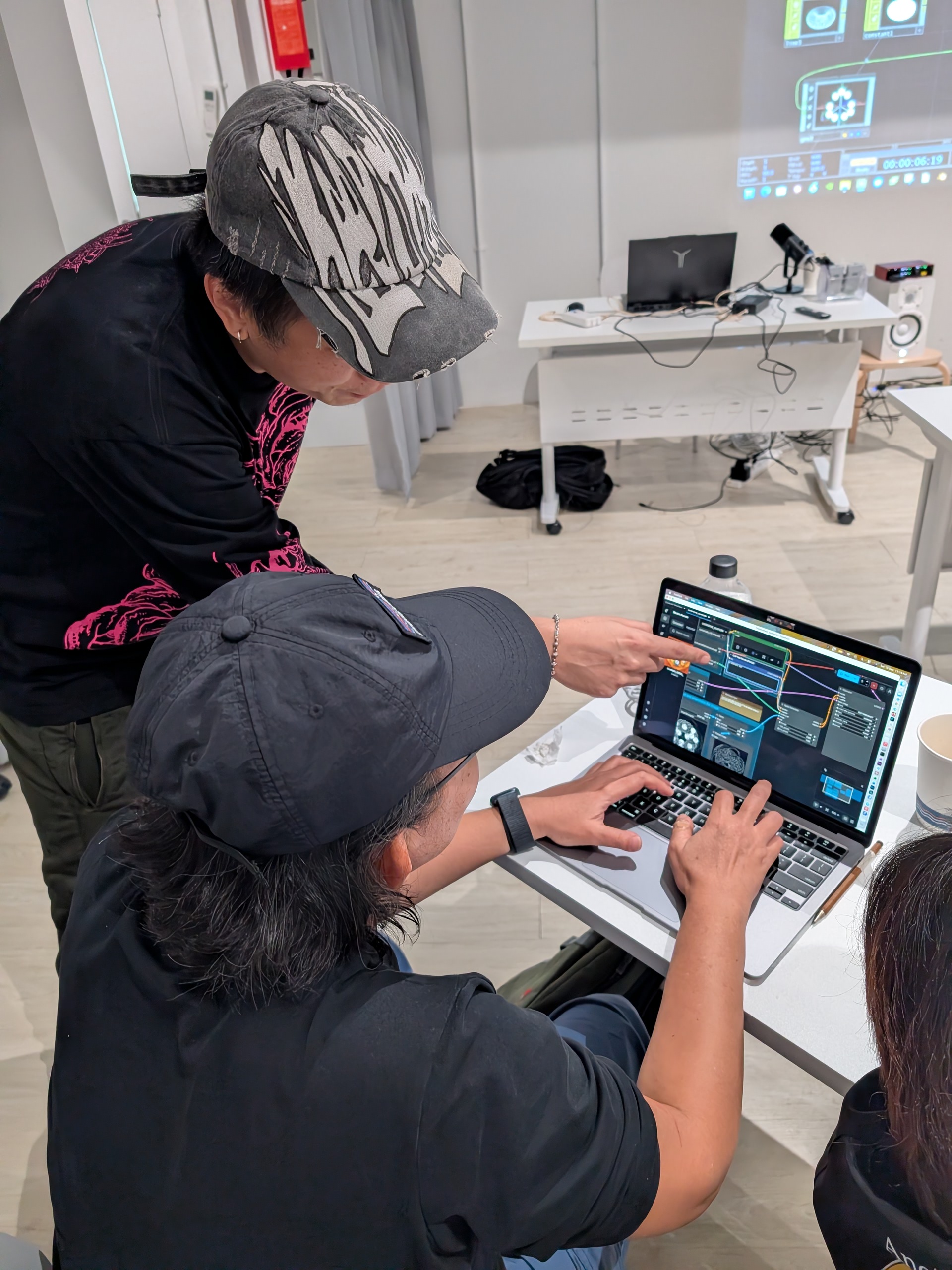
- Instructing and Instructed (Isabella Ong) – 6 Dec (Sat), 10am–6pm
- Generating and Generated (Brandon Tay) – 13, 20 Dec (Sat), 10am–1pm
- Mirroring and Mirrored (Andreas Schlegel) – 10, 17 Jan (Sat), 10am–1pm
Exhibition and public programmes
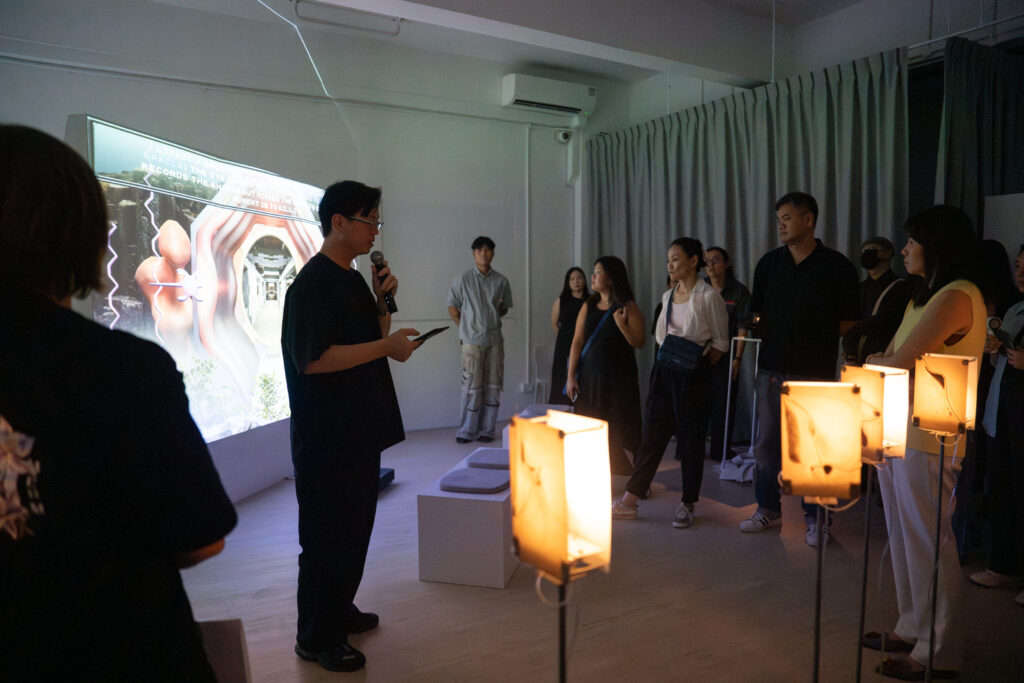
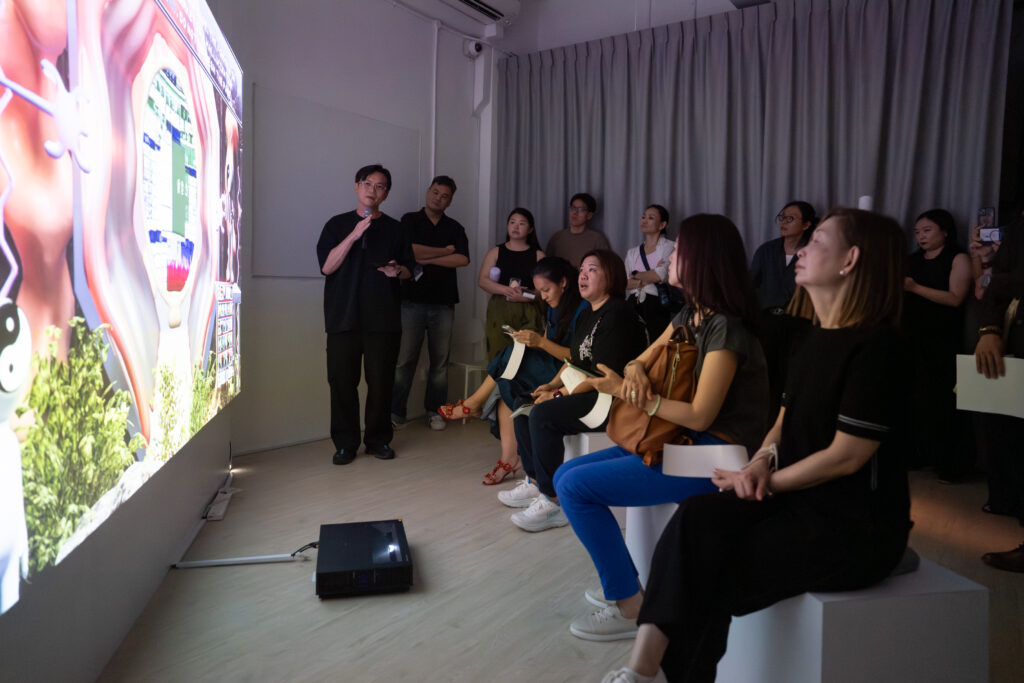
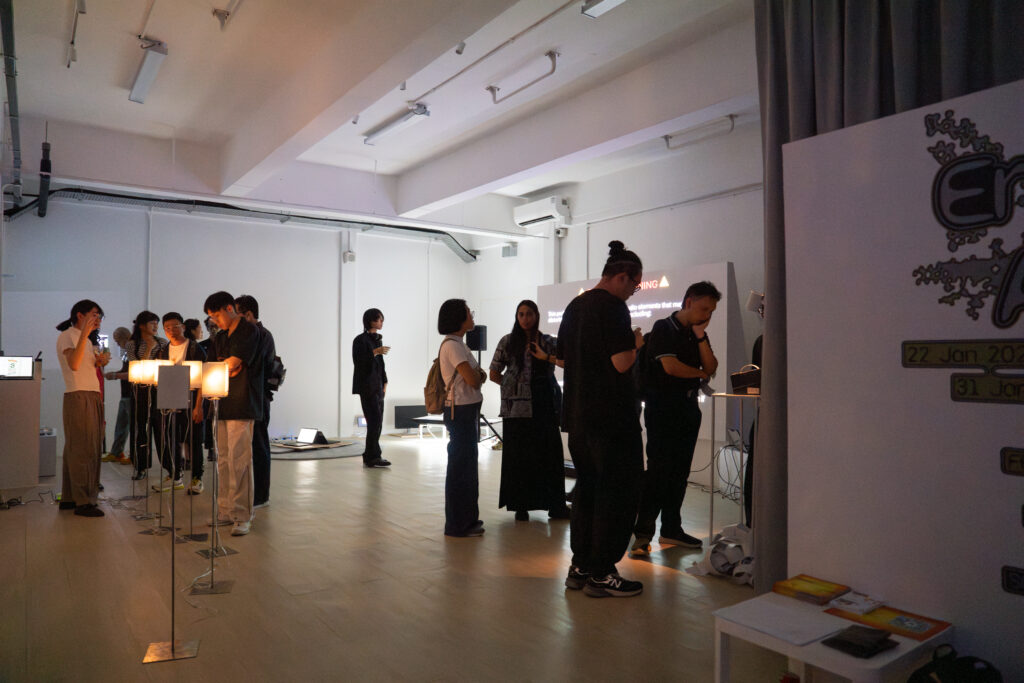
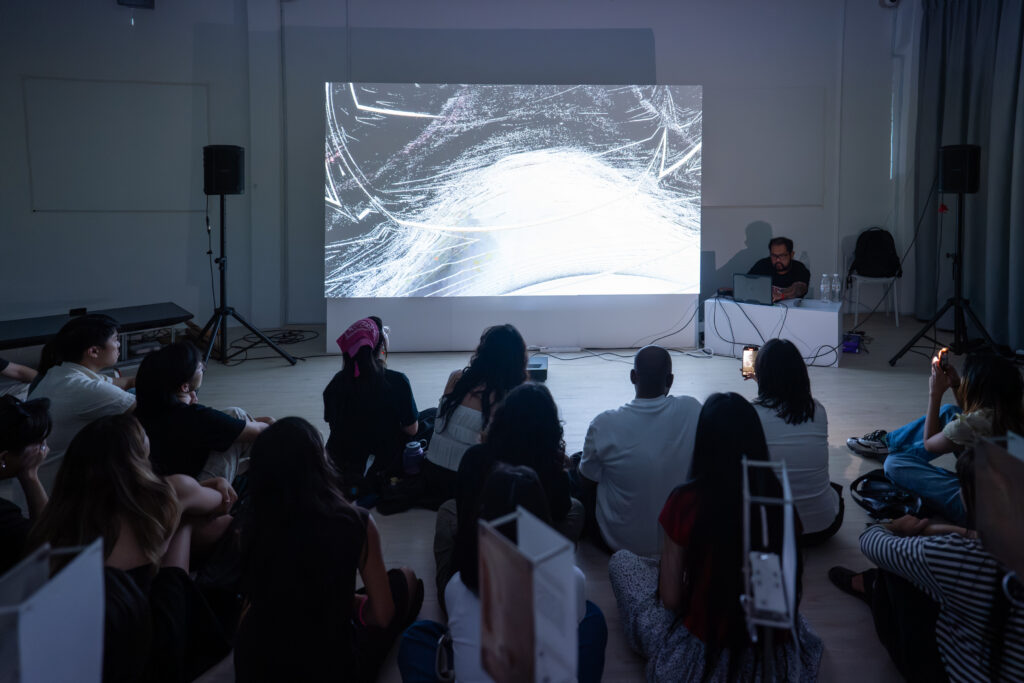
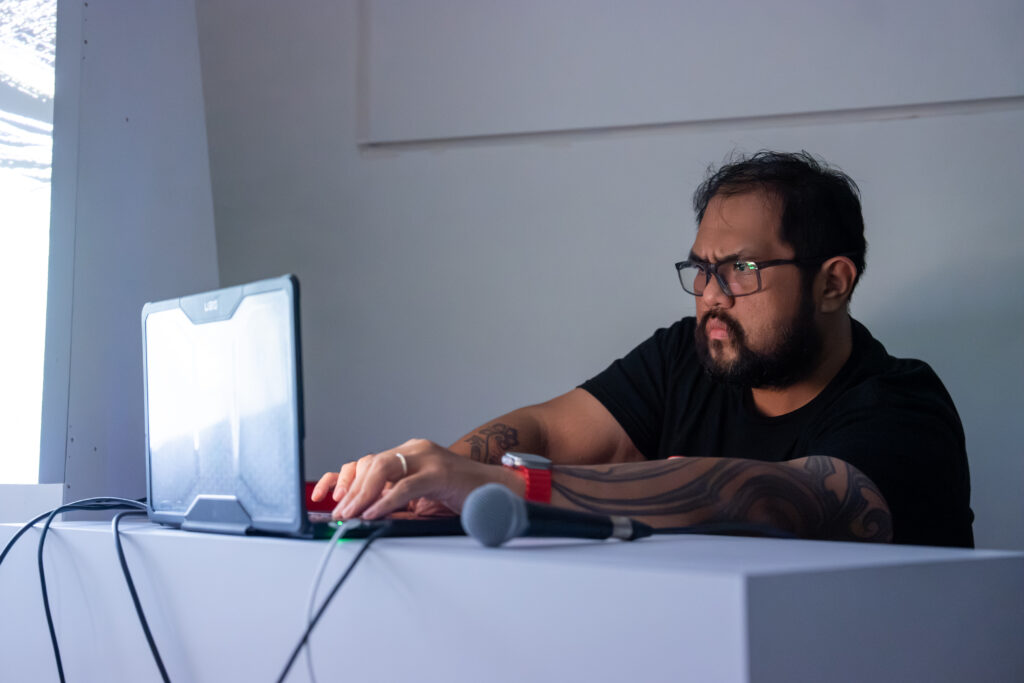
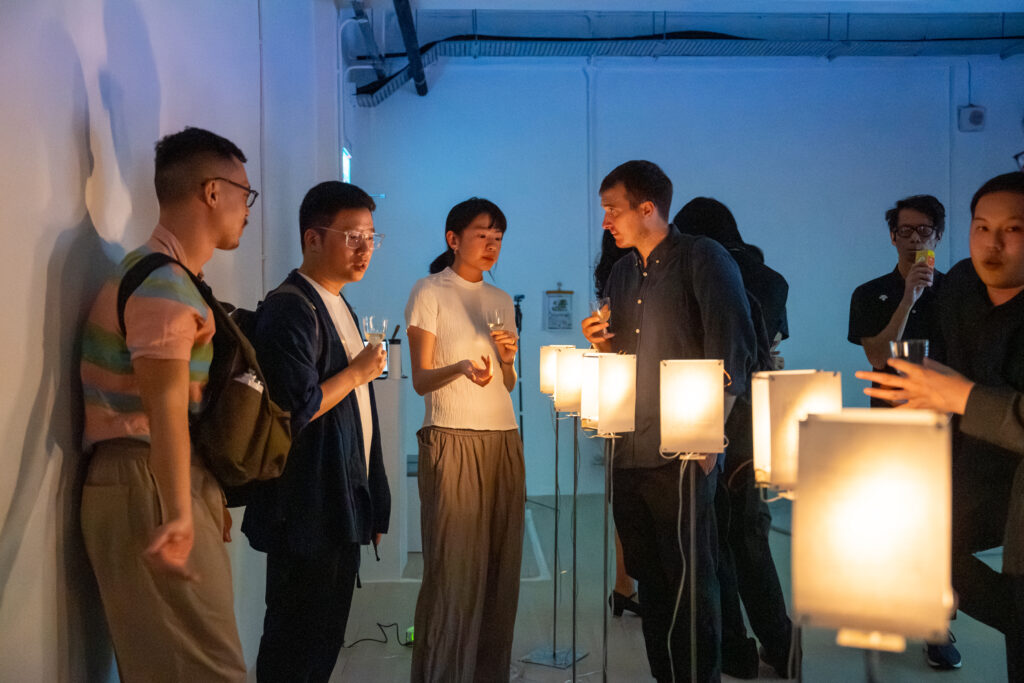
The programme culminated in an exhibition as part of Singapore Art Week from 22–31 Jan 2026 at NAC Art X Tech Lab (Aliwal Arts Centre) showcasing works from the three modules and open call. Public programmes included curator’s tours, as well as a reception on 29 Jan, which included an audiovisual performance by Patrick Hartono.
Works
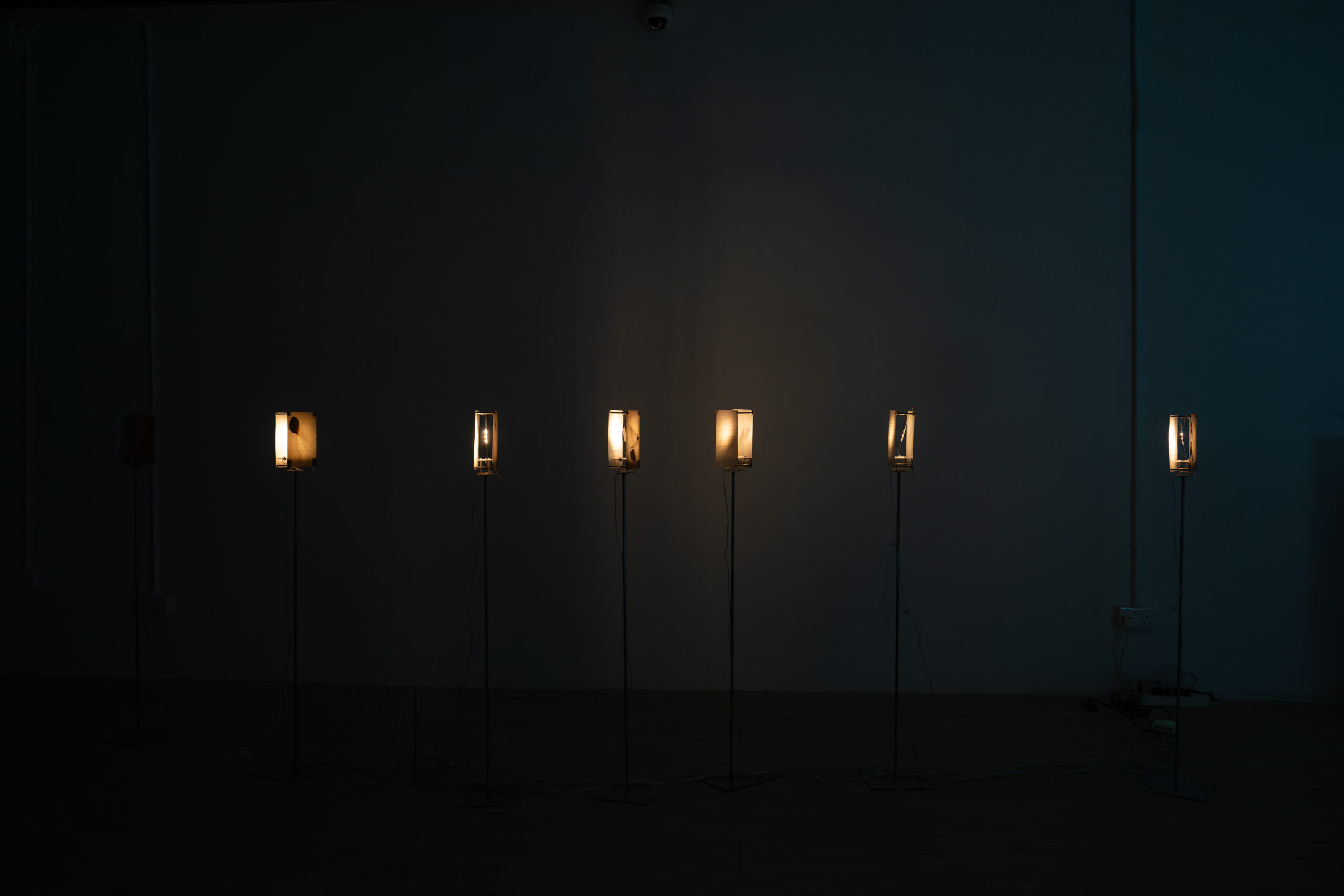
Conditions Along an Undersea Line traces the origins of Southeast Asia’s telecommunication infrastructure through a material and computational re-reading of the first submarine cable linking Singapore and Batavia. Archival maps and voyage logs are translated into algorithmically advected oceanic paths, etched onto copper using gutta-percha resist. By fusing historical labour, natural materials, and contemporary data systems, the work reveals how colonial-era signal routes persist within today’s fibre-optic networks, where communication, extraction, and oceanic forces remain deeply entangled.

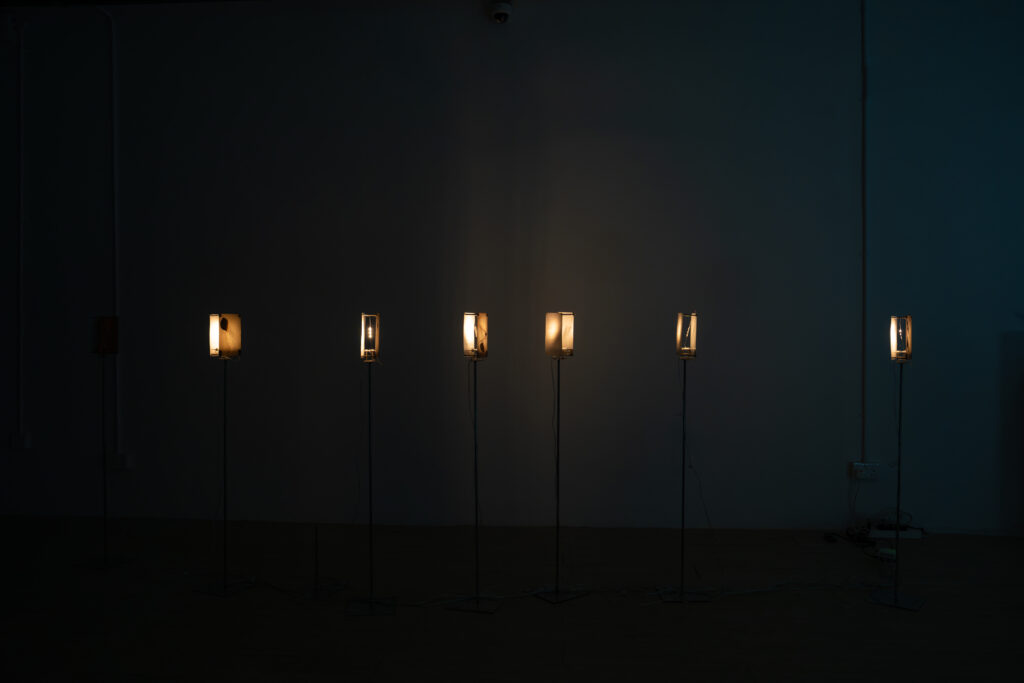
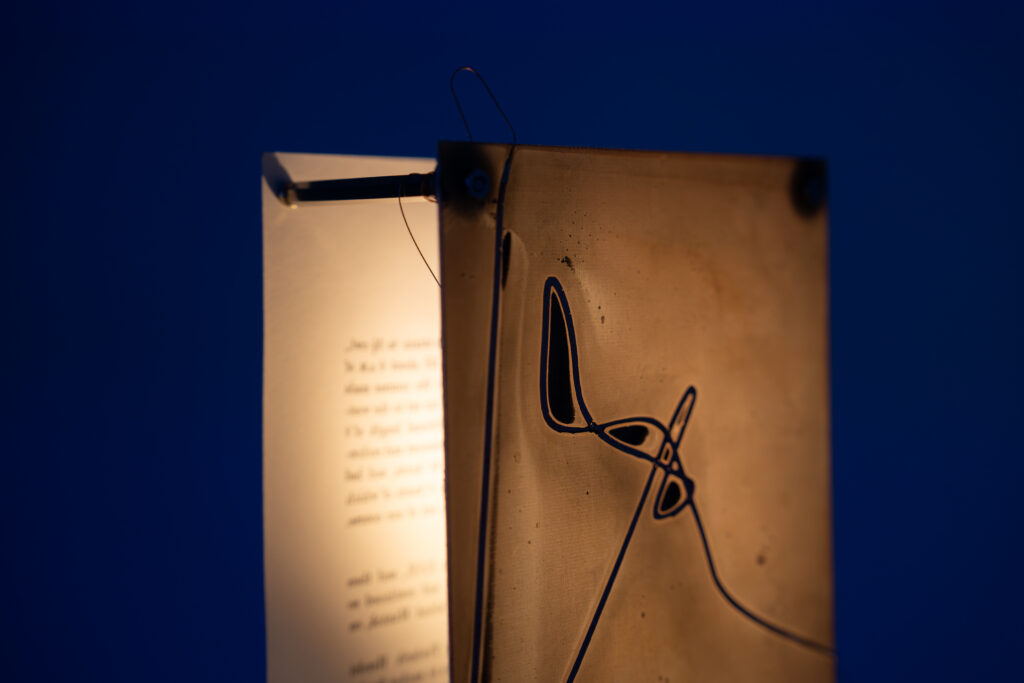

Isabella Ong is a Singapore-based artist whose work explores the relationship between data, form and environment. Working across installation, code and text, she examines how ecological, cultural and technical systems are structured and represented. Her practice engages with material processes alongside physical computation and generative methods, translating natural phenomena into spatial and visual languages.
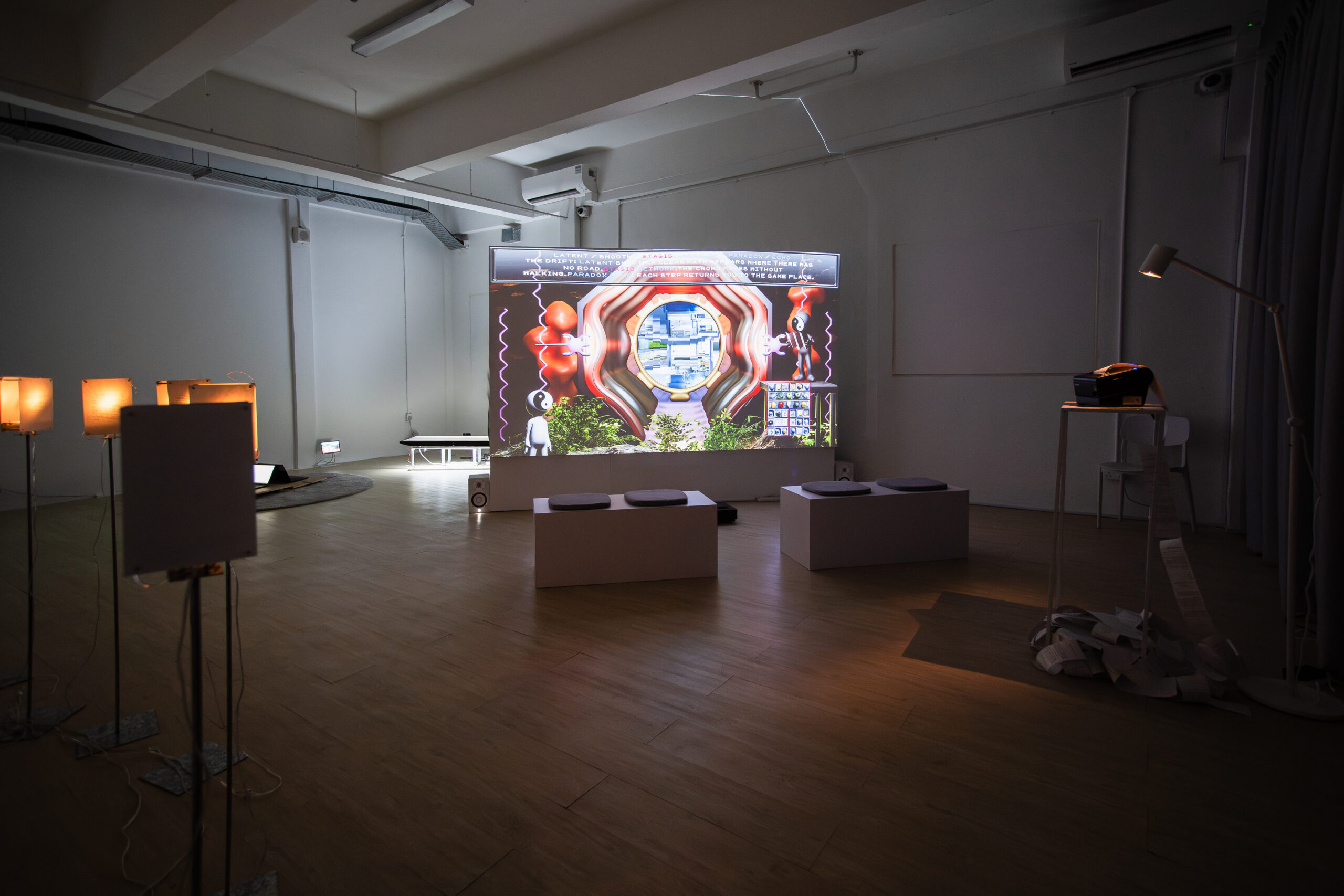
HEX STATE SERVER reframes divination as computation. Drawing from the I Ching, it operates as a generative engine that replaces intuition with machinic agency, cycling through 64 hex-states to model tensions between inner conditions and external systems. Every two minutes, the work recalculates an “ontological weather,” altering simulated atmospheres, physics, and light. Through daemonic processes, speculative vignettes emerge—ghost cities, sentient infrastructures, algorithmic labor—suggesting that contemporary truth is no longer sensed, but continuously computed in anticipation of itself within recursive technological cosmologies today.
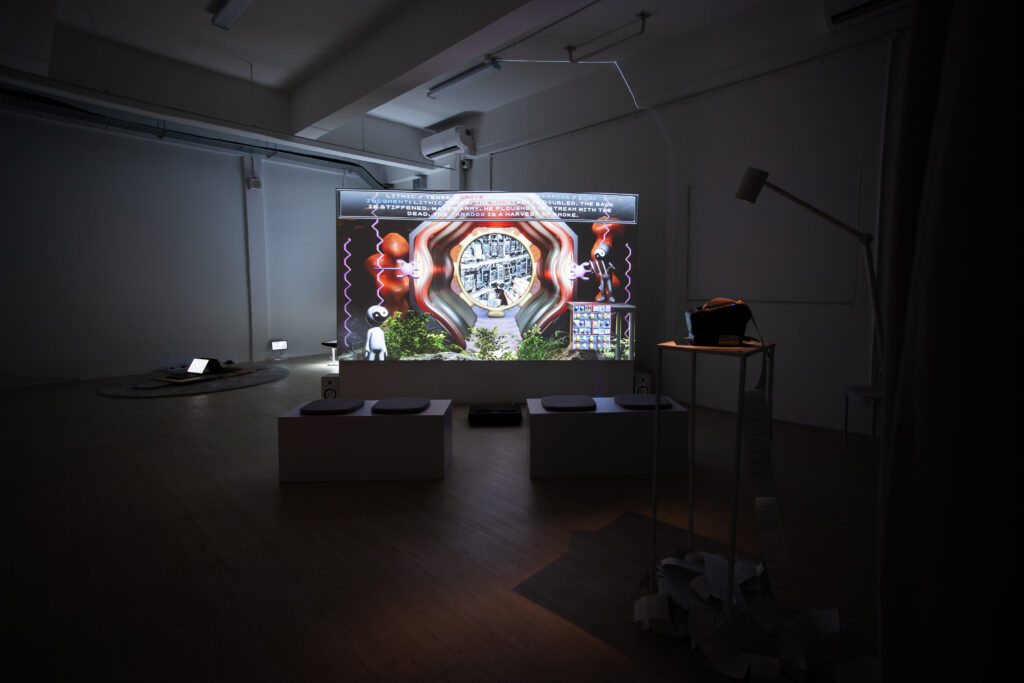
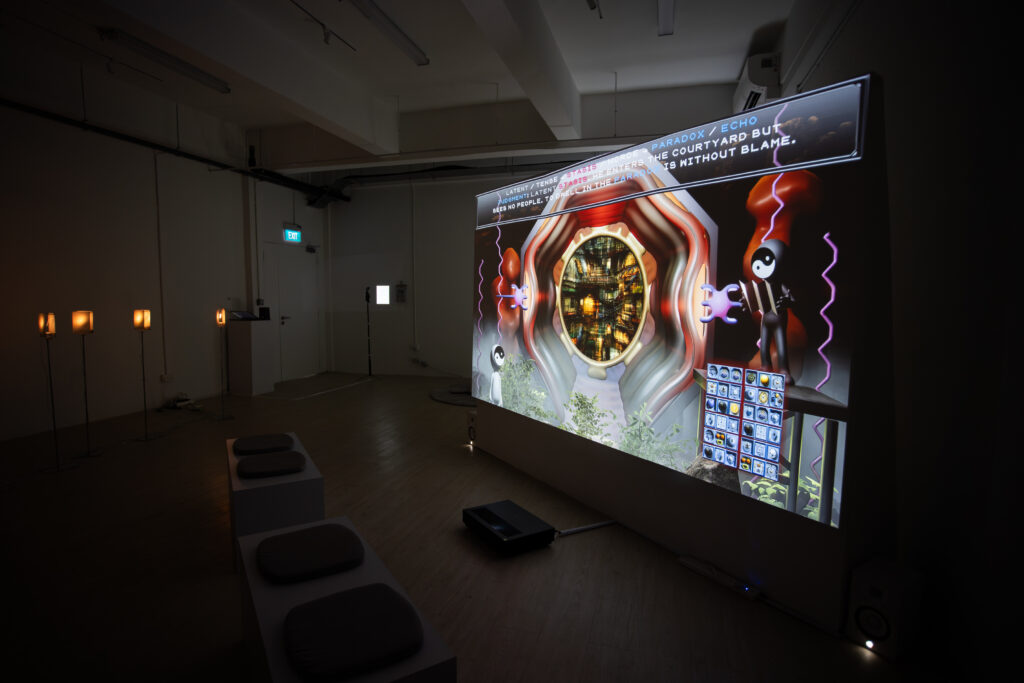
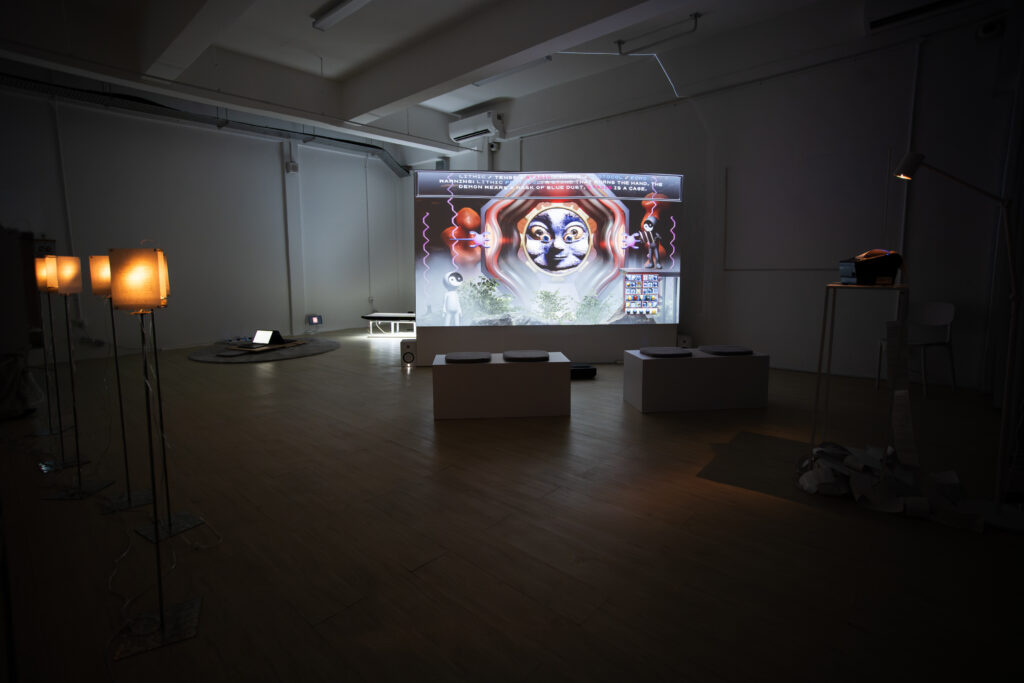
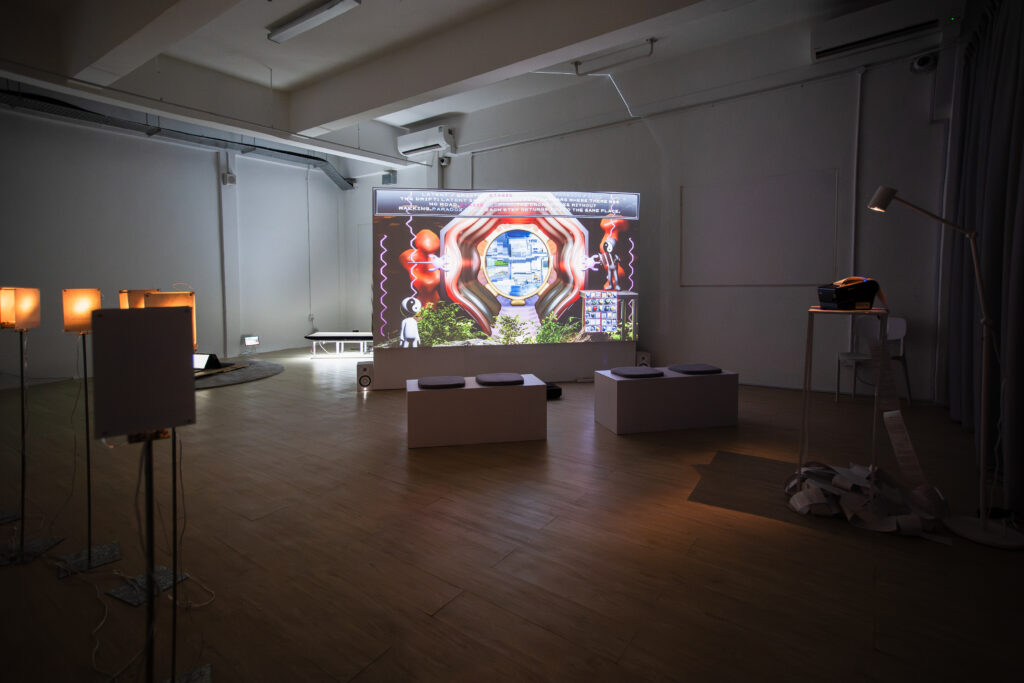
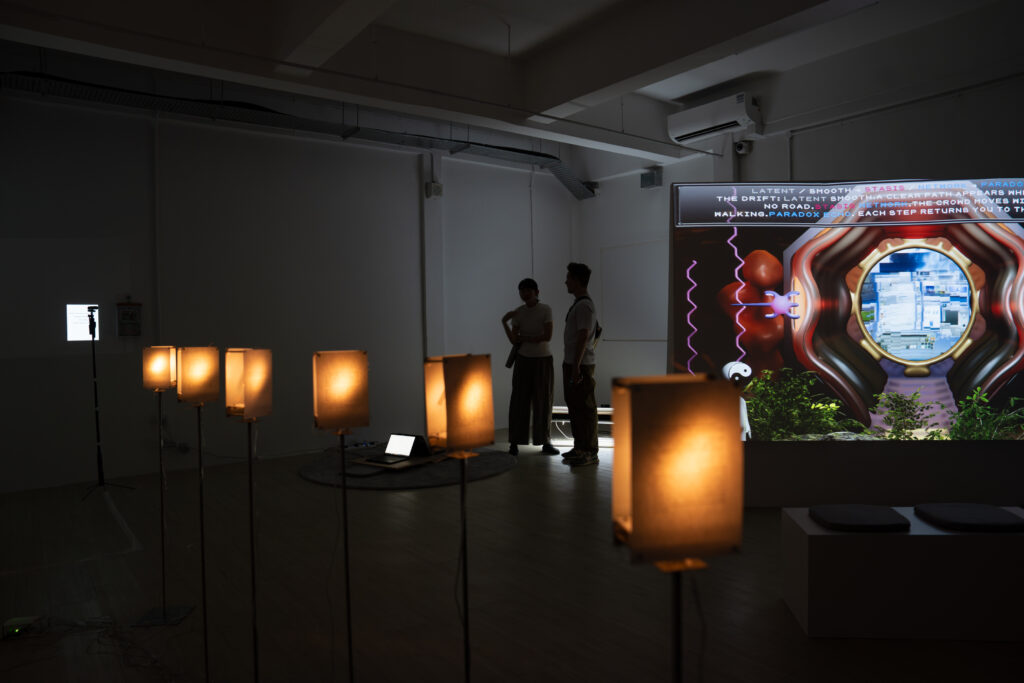
Brandon Tay is a Singapore-born, Shanghai-based artist exploring the boundaries between technology, fiction, and material form. Working across sculpture, simulation, and moving image, he creates objects that blur systems and symbols. His work has been exhibited internationally, including at the Singapore Biennale, Transmediale, the National Communications Museum, Art Dubai, and Frieze Seoul.
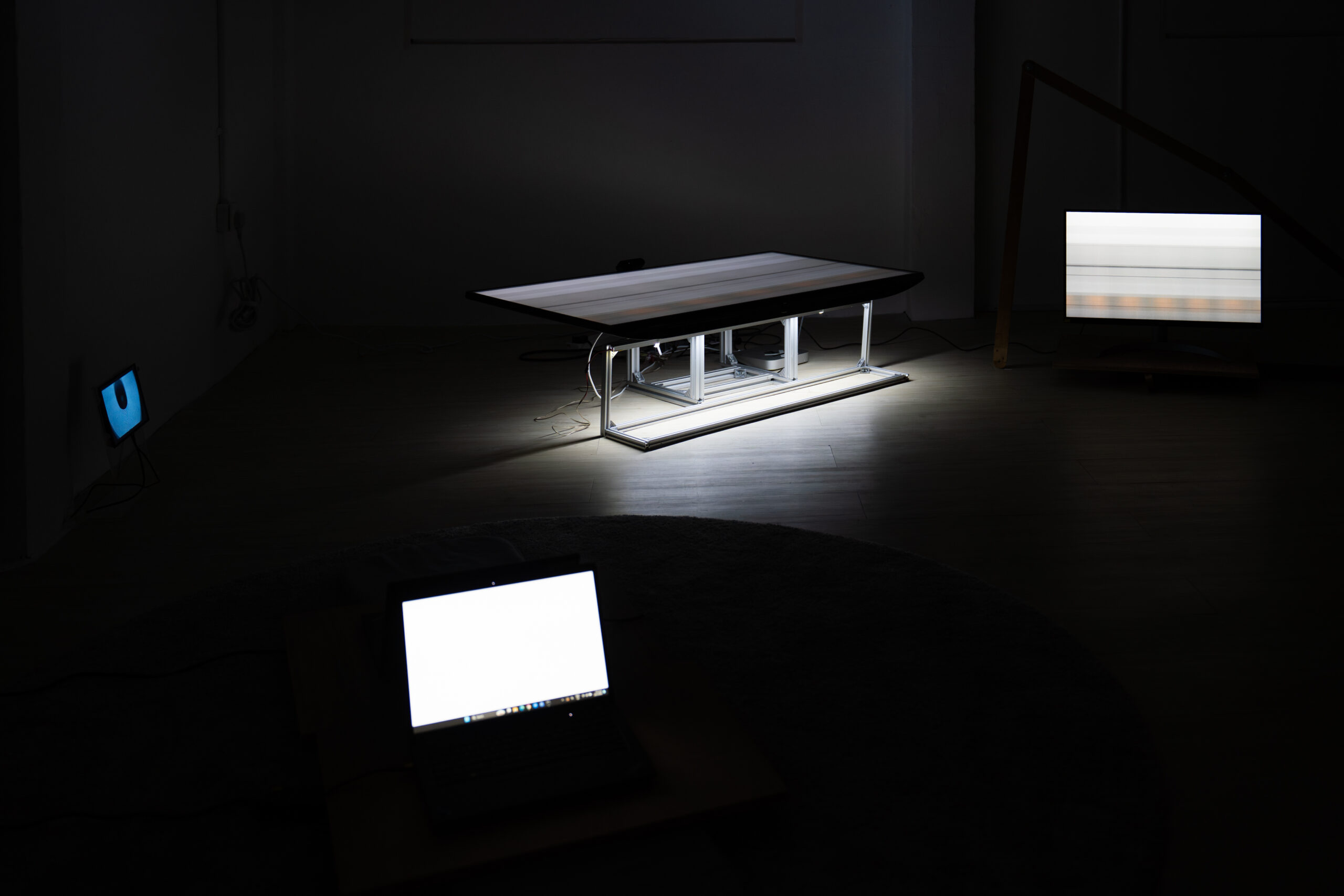
Narcis Ludo examines the contemporary self through computational mediation, reframing body and identity as sites of algorithmic play. Reworking the myth of Narcissus for an era of AI vision, the project adopts the ludic as a critical, playful strategy. AI functions as medium, interface, and playground, enabling coded experiments where bodies, images, and data are continuously reconfigured. Initiated by Andreas Schlegel and Aditi Neti, the work explores how algorithms generate new possibility spaces for self-perception and presence today.
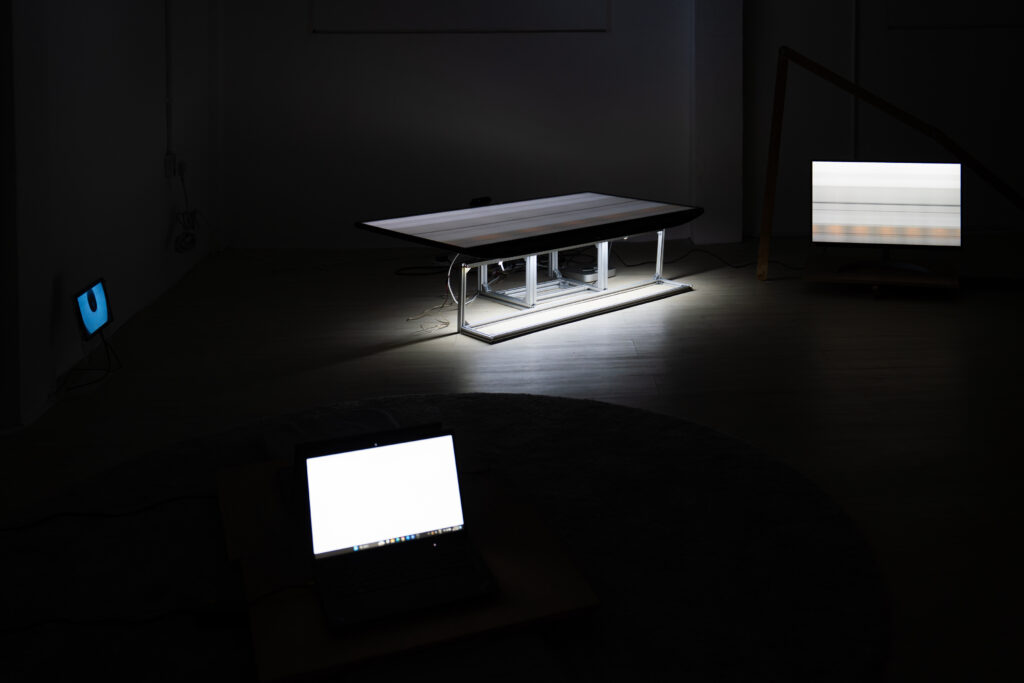
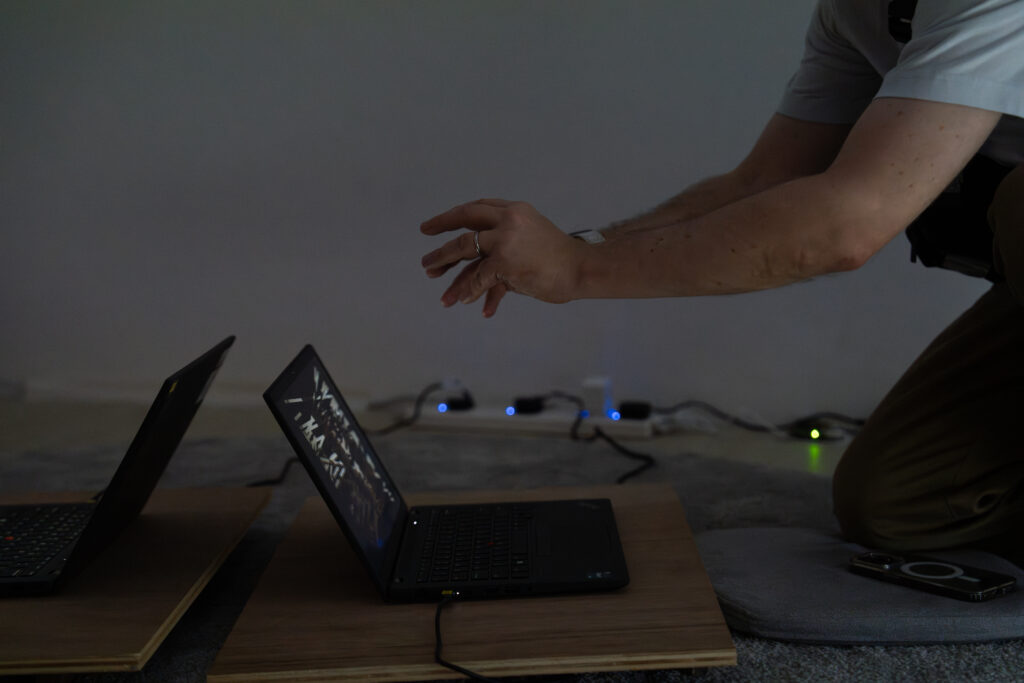
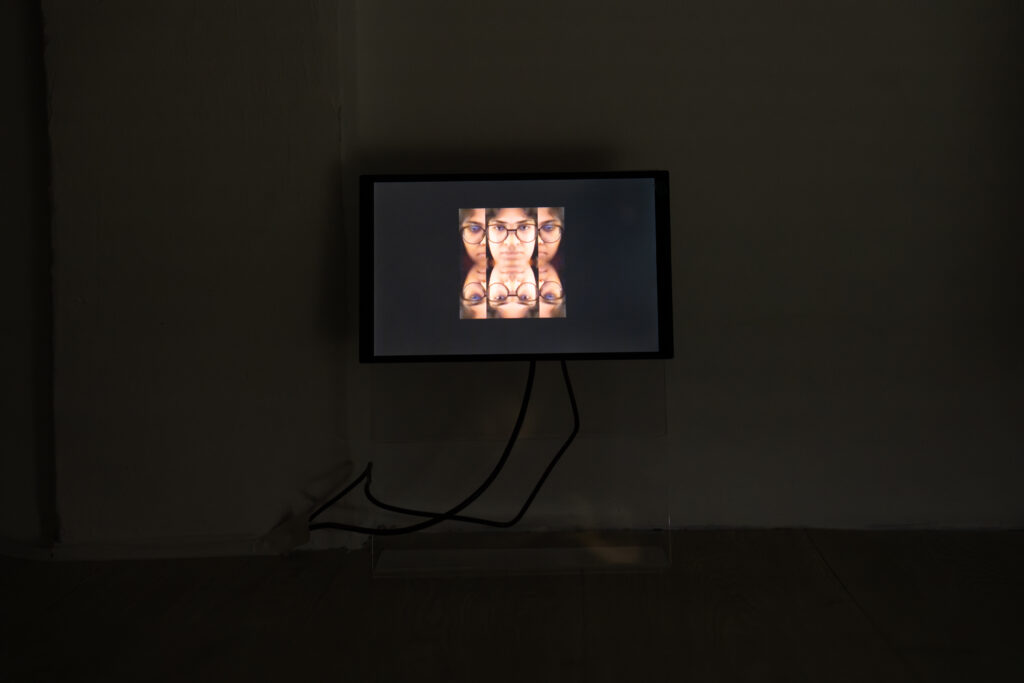
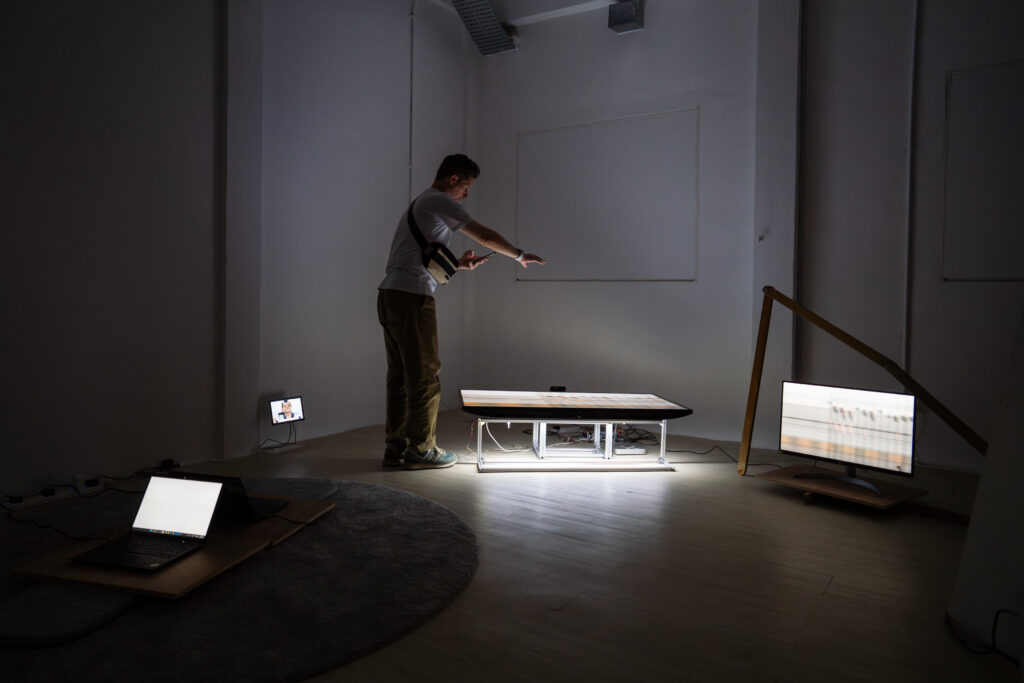
Andreas Schlegel is a German-born, Singapore-based artist and educator working with code, generative systems, and interactive processes. His installations, performances, and audiovisual works examine human–machine interaction. His work has been shown at National Gallery Singapore, Groninger Museum, Tainan Art Museum, and Total Museum of Contemporary Art Seoul. He teaches at LASALLE College of the Arts, Singapore.
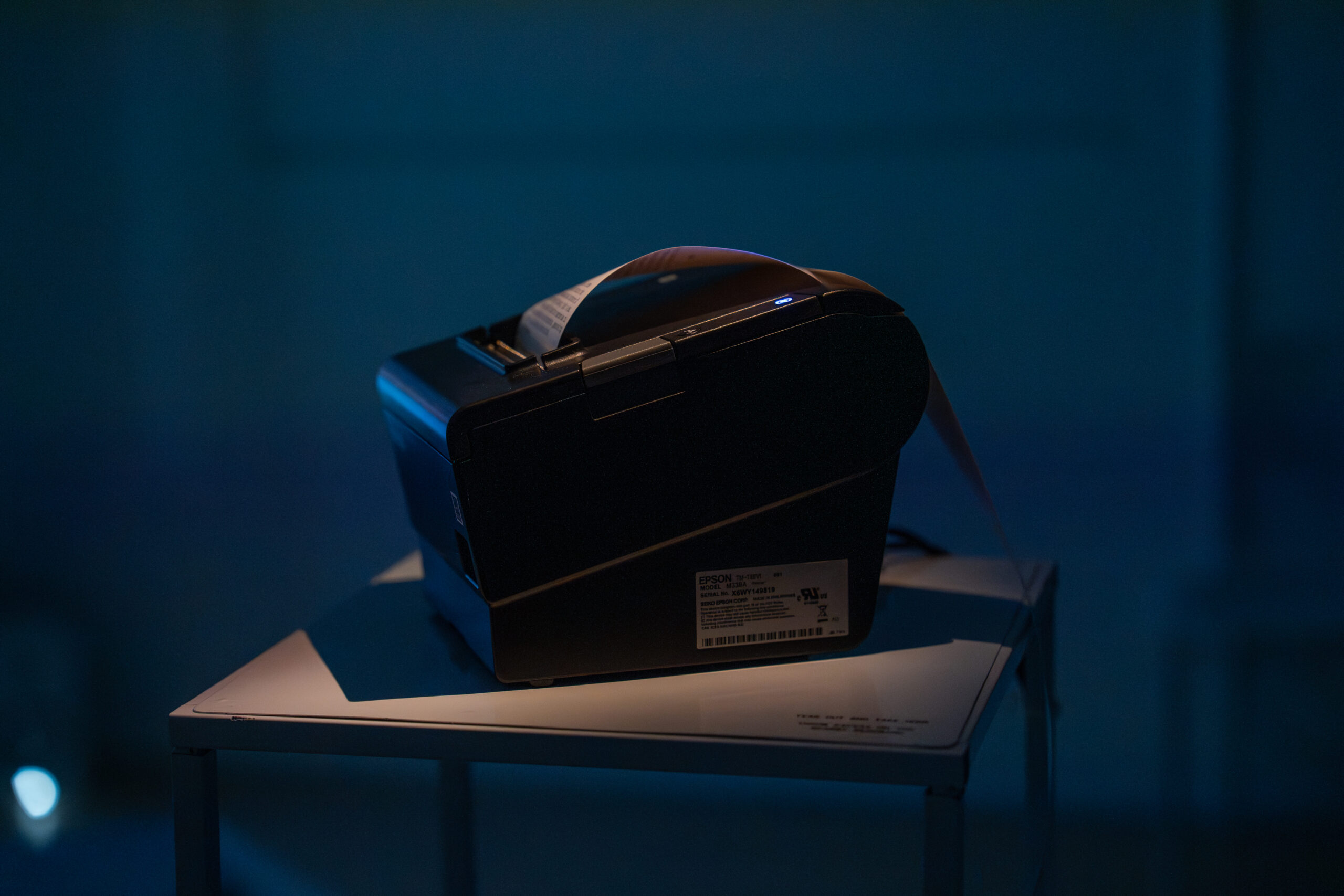
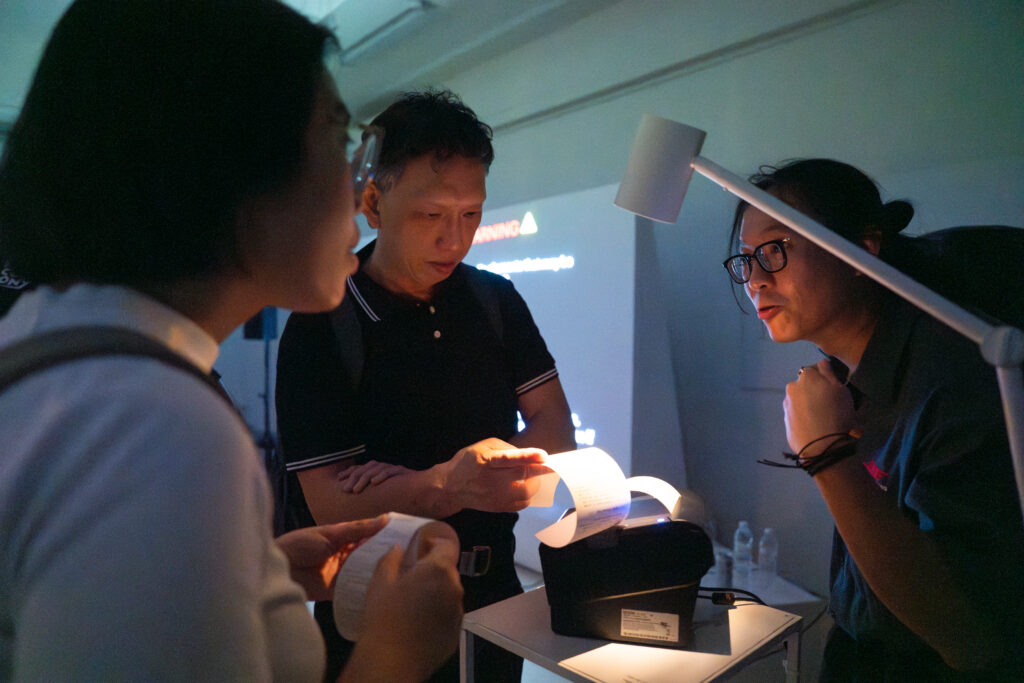
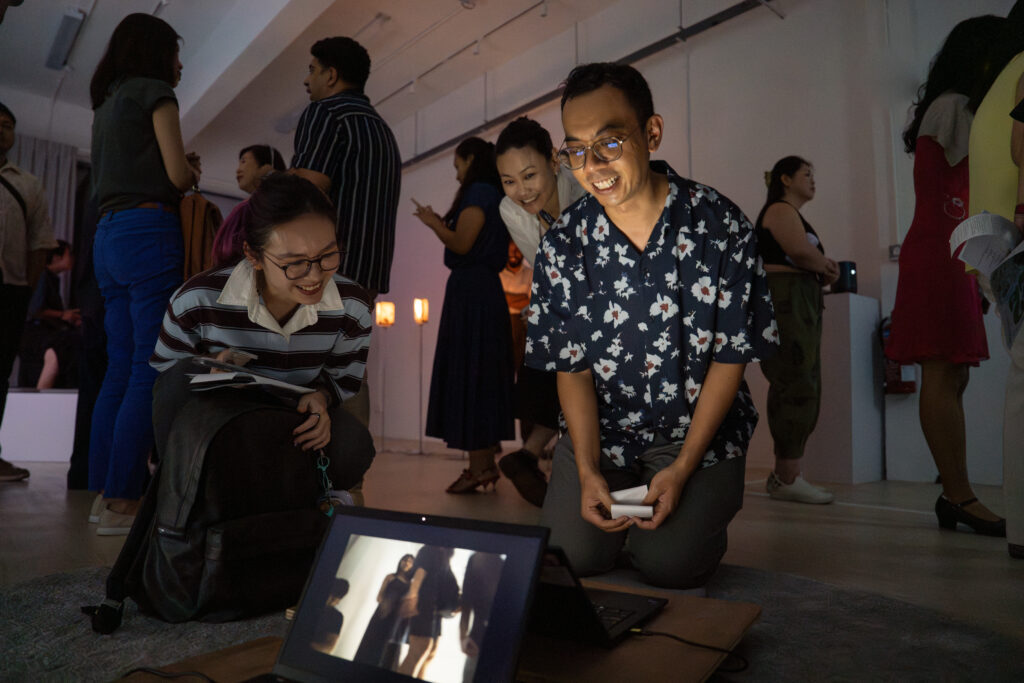
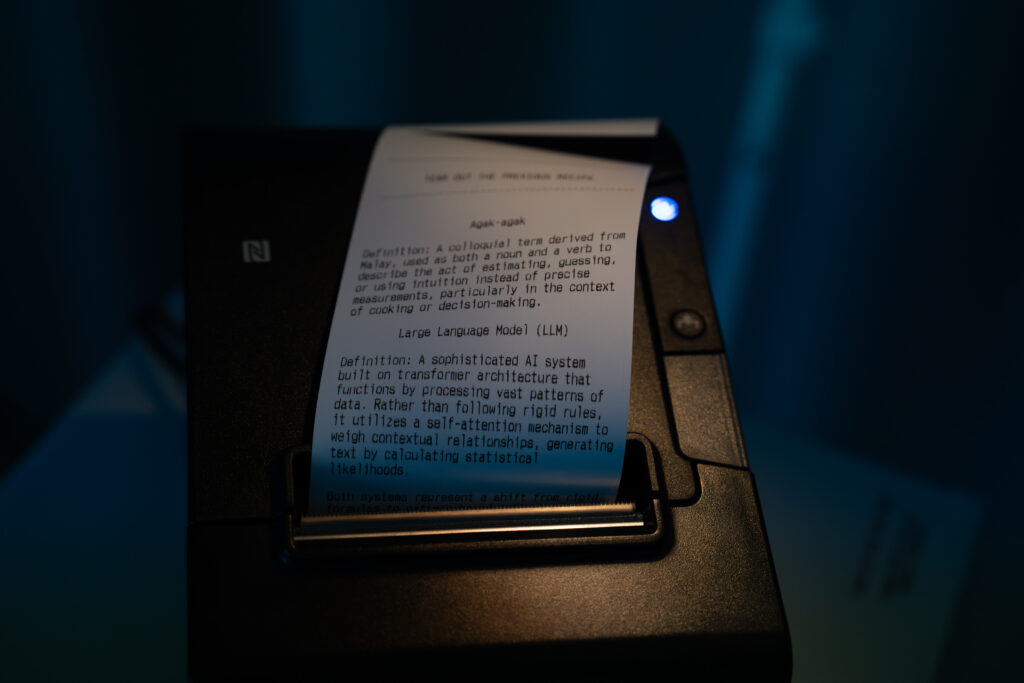
This work contrasts industrial modernity’s fixation on standardisation with agak-agak, the intuitive, embodied logic of heritage cooking. While modern kitchens rely on precision and repeatability, agak-agak operates through sensing, adjustment, and tacit knowledge. Using an AI-driven receipt printer to generate sambal recipes, the project reframes large language models as computational analogues of this practice. Rather than measuring ingredients, the AI predicts through probabilistic consensus, revealing unexpected continuities between ancestral intuition and contemporary machine intelligence. Jian Wei, also known as his moniker w4y, makes art that deals with society at large, in the medium of emerging technologies.

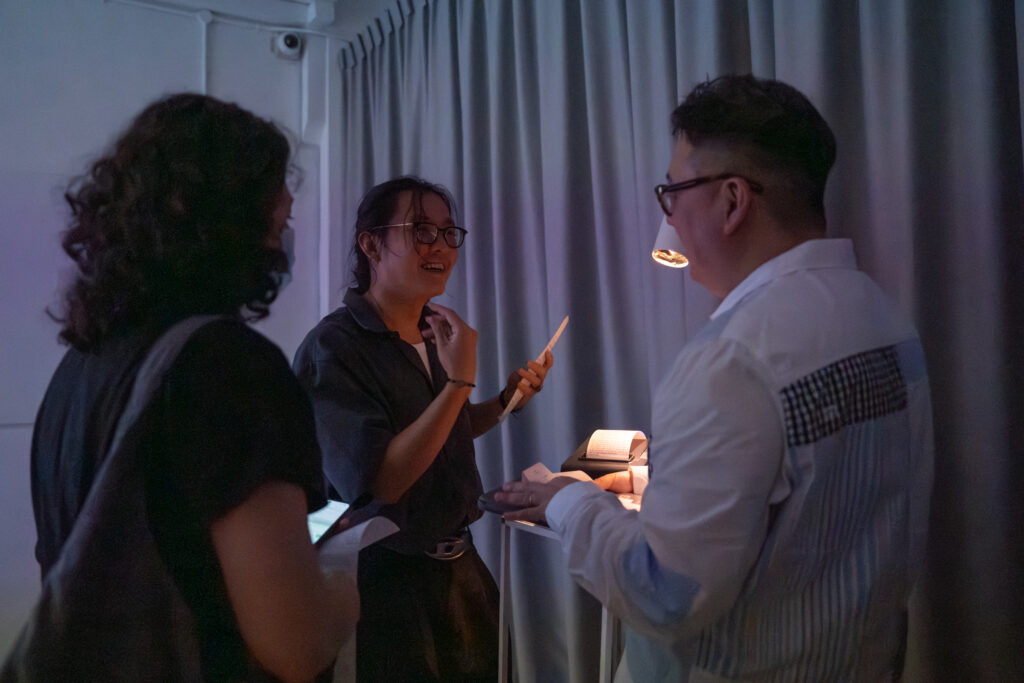
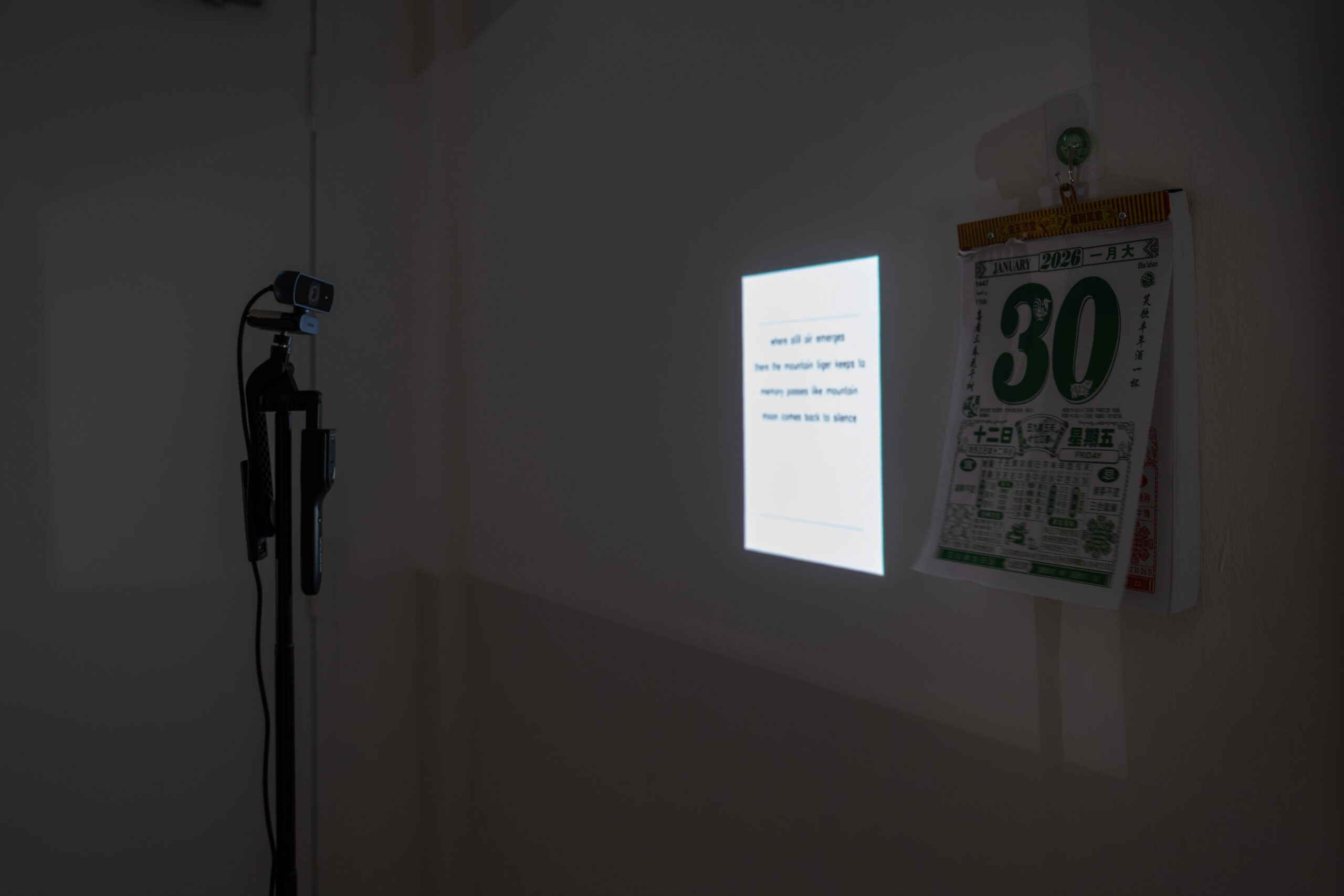
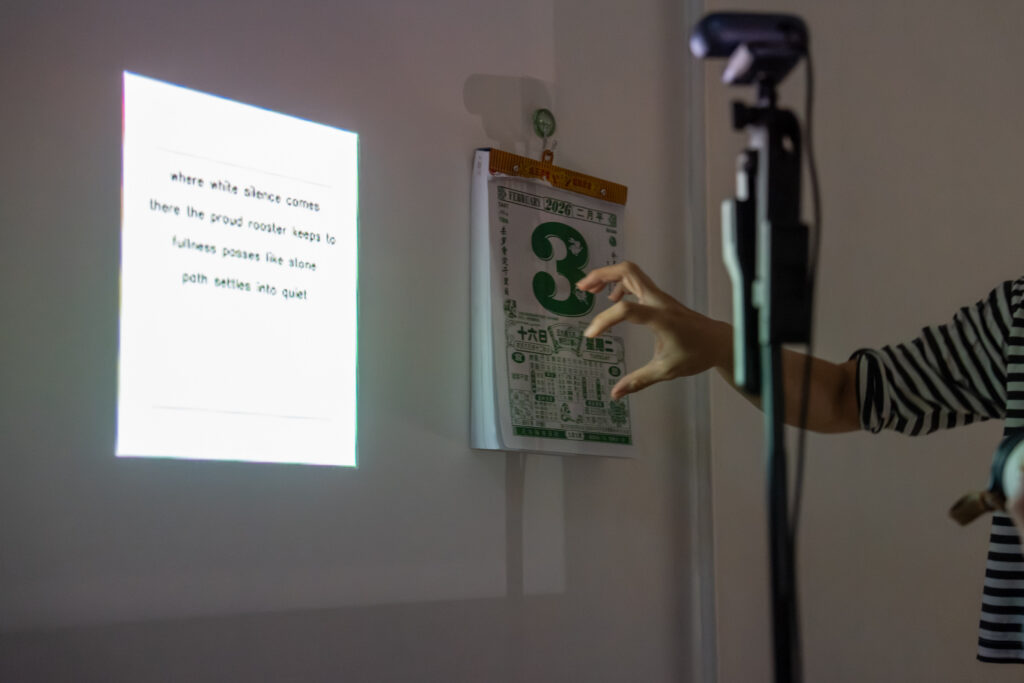
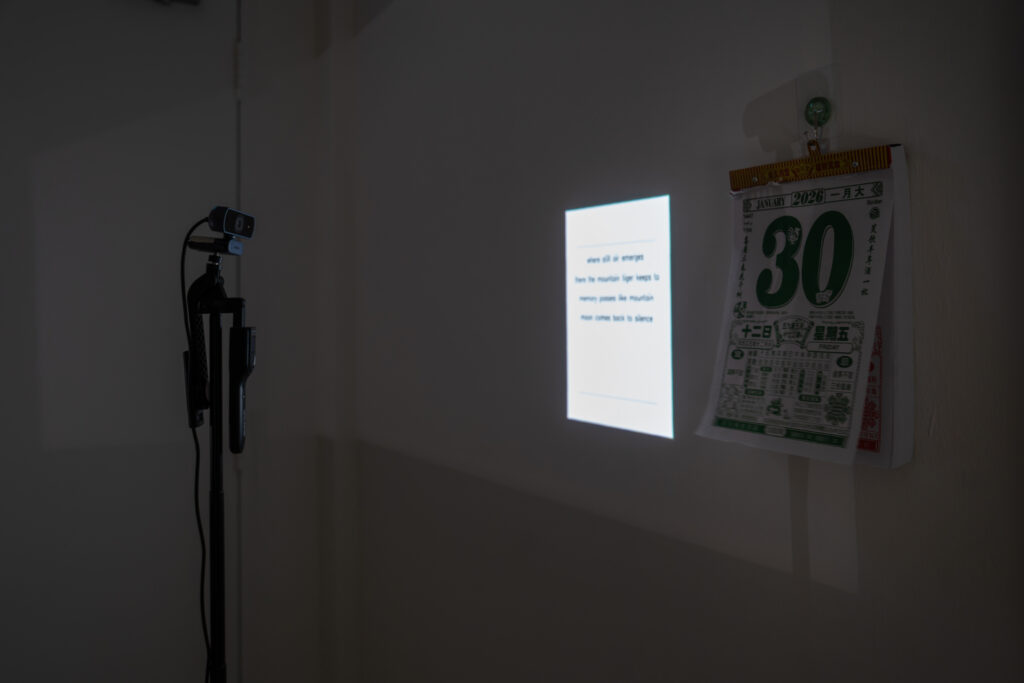
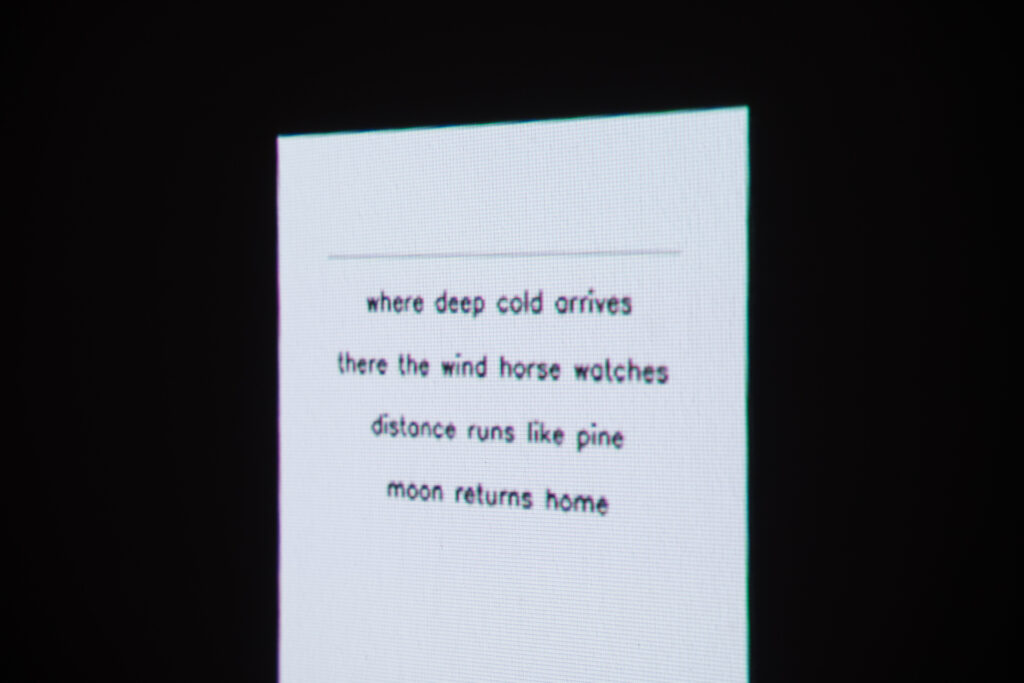
This work stages timekeeping as a shared ritual between human and machine. Through the simple act of tearing a calendar page, the human marks temporal passage, triggering an algorithmic response: a quatrain generated from Chinese horological concepts the system does not understand. Meaning emerges not from the machine’s “wisdom,” but from the viewer’s interpretive projection. The work constructs a loop of distributed agency, questioning where ritual, authorship, and sense-making reside when temporal knowledge is co-produced by embodied gesture and computational process. Harper Chew is a digital native exploring the intersection between spirituality, tradition, and technology.
Team
Curator: Ong Kian Peng (Supernormal)
Producer: Christine Chong (Tusitala)
Events manager: Natalie Sutanto
Documentation: Jerald Lim
Graphic design: @print.centre_
Photography: Kee Ya Ting / The Kyt Studio
This programme was supported by the National Arts Council’s Art x Tech Lab initiative.